How I Turned My Hobbies Into a Smarter Investment Game
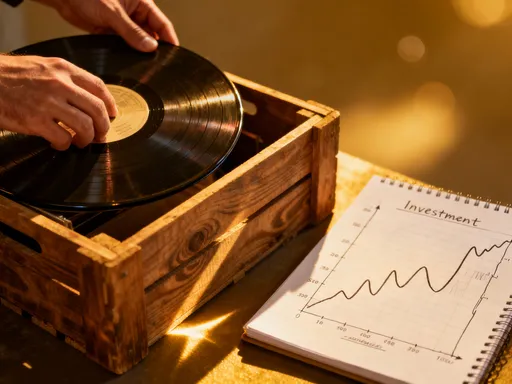
What if the things you love doing could also help grow your money? I used to see hobbies as just a way to unwind—until I realized they could be part of a smarter investment strategy. It wasn’t about getting rich quick, but about aligning passion with purpose. This shift changed how I view spending, saving, and even risk. Let me walk you through how turning hobbies into strategic investments can work for anyone willing to rethink their financial moves.
The Hidden Cost of Hobbies – And the Opportunity They Hide
Hobbies are often celebrated as essential for mental well-being, a necessary break from the pressures of daily life. Yet, many people overlook the financial footprint these activities leave behind. From gardening supplies and art materials to specialized equipment for photography or woodworking, the costs add up quickly—often without conscious tracking. What starts as a modest pastime can evolve into a consistent monthly expense, quietly diverting funds that might otherwise go toward savings or investments. The truth is, most hobbies are treated as consumption, not contribution. They’re seen purely as personal enjoyment with no expectation of financial return, which makes them easy to justify but hard to measure in terms of long-term value.
Yet beneath this surface lies a powerful, overlooked opportunity: some hobbies naturally intersect with appreciating assets, marketable skills, or even income-generating potential. Consider the woman who collects vintage teacups—what begins as a sentimental pursuit could, over time, become a curated collection with rising resale value. Or the parent who bakes holiday treats each season, gradually building a reputation that leads to a small home-based business. These are not fantasies; they are real-world examples of how passion and purpose can align. The key difference is mindset. When you begin to see your hobby not just as an outlet but as a potential foundation for financial growth, your relationship with spending transforms. You start asking not just “Do I enjoy this?” but also “Could this add value beyond the moment?”
This shift doesn’t require abandoning the joy of your pastimes. Instead, it invites a more thoughtful approach. For instance, a quilter might choose higher-quality fabrics not just for durability but because they enhance the long-term value of her pieces. A birdwatcher might invest in a premium pair of binoculars that hold their worth better than cheaper models. These decisions still serve the hobby, but they also reflect a quiet intentionality—a way of spending that doubles as a form of investment. Over time, such choices compound. The result isn’t overnight wealth, but a steady accumulation of value that traditional budgeting often misses. The hidden cost of hobbies, then, isn’t just the money spent—it’s the opportunity lost when we fail to see their broader potential.
From Passion Spending to Purposeful Investing
Once the idea takes root that hobbies can do more than entertain, a new financial path emerges: one where personal interest fuels informed investment. This is where the concept of asset alignment becomes powerful. Asset alignment means directing your financial decisions toward areas you already understand and care about. It’s not about gambling on obscure markets, but about leveraging your existing knowledge and enthusiasm to make smarter, more engaged choices. For example, a woman who spends weekends restoring antique furniture may already know which woods are rare, which finishes last, and which styles are trending. That knowledge gives her an edge when considering investments in timber companies, heritage brands, or even real estate with historic appeal.
Similarly, a book lover who follows publishing trends can develop an intuitive sense of which genres are growing, which authors have staying power, and how digital platforms are changing the industry. This insight can inform decisions about media stocks or exchange-traded funds (ETFs) focused on communication services. The advantage here is engagement. When you invest in something you care about, you’re more likely to stay informed, monitor performance, and resist the urge to panic-sell during market dips. Emotional connection, often seen as a risk in finance, becomes an asset when it fosters patience and long-term commitment.
This approach also makes financial education feel less like a chore and more like a natural extension of your interests. A gardener curious about climate-resilient plants might begin reading about agricultural innovation, leading to an interest in sustainable farming ETFs. A knitter who follows wool sourcing may start exploring ethical supply chains, which opens the door to socially responsible investing. These aren’t forced connections—they grow organically from curiosity. And because the learning feels relevant, it sticks. Over time, this builds financial literacy not through textbooks, but through lived experience. The result is a more confident, capable investor who sees money not as a separate domain, but as part of a larger, meaningful life.
Building a Hobby-Based Investment Framework
Turning this idea into practice requires structure. A hobby-based investment strategy isn’t about spending more on your pastimes—it’s about making intentional choices that serve both joy and growth. The first step is identifying which hobbies have the strongest financial potential. Not every pastime lends itself to investment alignment. Activities centered on durable goods, craftsmanship, or knowledge-intensive fields tend to offer clearer pathways. For instance, collecting, cooking, photography, music, or home restoration often involve tangible assets or transferable skills. In contrast, hobbies like watching movies or casual walking may offer less direct financial leverage, though they can still inspire broader financial awareness.
Once you’ve identified promising hobbies, the next step is evaluation. Ask: Does this activity involve assets that appreciate? Can it generate income? Does it deepen knowledge in a valuable sector? For example, a woman who enjoys baking might realize her expertise could lead to selling specialty goods, teaching classes, or even licensing recipes. Each of these represents a potential income stream. Alternatively, her understanding of ingredient markets and consumer trends might make food and beverage stocks more relatable and easier to research. The goal is to map your hobby to possible financial outcomes without forcing unrealistic expectations.
Then comes allocation—how much of your investment budget, if any, should connect to your passions? The answer depends on your overall financial picture. A common guideline is to limit passion-based investments to 10–15% of your portfolio, ensuring you maintain diversification. This prevents emotional attachment from distorting your risk profile. For example, if you love wine, you might allocate a small portion of your funds to a beverage sector ETF rather than buying shares in a single winery. This way, you gain exposure without overconcentration. The same principle applies to collectibles: while a vintage sewing machine might hold personal and monetary value, it shouldn’t replace a balanced retirement account.
Consistency matters more than size. Small, regular investments in aligned assets compound over time. A monthly contribution to a sustainable fashion fund, inspired by your love of vintage clothing, may seem minor at first. But over a decade, it can grow into a meaningful position. The key is integration: weaving your interests into your financial plan in a way that feels natural, sustainable, and guilt-free. You’re not sacrificing enjoyment for profit—you’re enhancing both.
Risk Control: When Passion Meets Prudence
Enthusiasm is a powerful motivator, but it can also cloud judgment. One of the greatest risks in hobby-based investing is emotional bias—the tendency to overvalue what you love. Just because you adore handmade pottery doesn’t mean every ceramic artist is a sound investment. Similarly, a passion for classic cars shouldn’t blind you to the high maintenance costs and market volatility in collectible vehicles. The danger lies in mistaking personal attachment for objective value. Without discipline, hobby investing can become a form of self-indulgence rather than wealth building.
To counter this, it’s essential to set clear, measurable rules. Start with a budget cap: decide in advance how much you’re willing to spend on hobby-related purchases or investments, and stick to it. Use third-party valuations when possible. For example, if you’re considering buying a rare cookbook, check recent auction results or collector databases to assess fair market value. Avoid buying solely because an item speaks to your nostalgia or aesthetic. Instead, treat each decision as you would any other financial move: with research, comparison, and a clear exit strategy.
Diversification remains critical. Even within a passion-driven strategy, avoid putting all your resources into one niche. If you love gardening, don’t invest only in a single seed company. Instead, consider a mix of agricultural ETFs, water conservation technologies, and organic food producers. This spreads risk while still aligning with your interests. Additionally, set time-bound reviews. Reassess your hobby-linked investments annually to determine whether they’re performing as expected or if emotion is keeping you in a losing position.
Finally, remember that liquidity matters. Some hobby assets, like art or antiques, can be hard to sell quickly. Before investing, ask: Can I convert this to cash if needed? If not, treat it as a long-term, non-essential holding. The goal isn’t to eliminate risk—that’s impossible in any investment—but to manage it wisely. Prudence doesn’t kill passion; it protects it. By balancing excitement with caution, you preserve both your financial health and your love for the hobby itself.
Tools and Habits That Make It Work
Success in hobby-based investing doesn’t rely on willpower or luck—it depends on systems. The right tools and routines turn intention into action. One of the most effective tools is a simple tracking spreadsheet. This can log your hobby-related purchases, note their potential value, and monitor any associated investments. Over time, this record reveals patterns: which items hold value, which hobbies generate income, and where spending might be creeping too high. Seeing the data in black and white helps maintain objectivity, especially when emotions run high.
Technology also offers real-time support. Alert apps can notify you when prices for collectibles, such as vintage cameras or rare fabrics, reach certain levels. Market tracking platforms provide updates on industry trends related to your interests, whether it’s craft beer production or renewable energy in agriculture. Learning platforms, such as online courses or financial podcasts, deepen your understanding in a way that feels engaging rather than overwhelming. The key is to use these tools not as replacements for judgment, but as aids to better decision-making.
Habits are equally important. Monthly review sessions, even just 30 minutes, help you stay on track. During these, assess your hobby spending, review investment performance, and adjust plans as needed. Peer discussions can also reinforce discipline. Joining a community of like-minded individuals—whether a quilting group that talks about fabric investments or a gardening club that shares tips on sustainable tools—creates accountability and fresh perspectives. These conversations often spark new ideas, such as bartering skills or pooling resources for bulk purchases.
The goal is sustainability. A strategy that depends on constant excitement will fade when life gets busy. But one built on simple, repeatable habits endures. Over time, these systems become second nature. You no longer have to “decide” to invest wisely—you simply do, because the structure is already in place. Technology and routine don’t replace passion; they help it thrive in the real world.
Real Gains Beyond the Wallet
While financial returns are important, the benefits of hobby-based investing extend far beyond the balance sheet. One of the most profound changes is in confidence. When you start seeing your interests as valuable, you begin to trust your own judgment more. You read financial news not with anxiety, but with curiosity. You look at company reports because you want to understand how a favorite brand is doing, not because you’re forced to. This shift transforms personal finance from a chore into a meaningful part of your identity.
Financial literacy grows naturally in this environment. A woman who invests in wine-related funds begins to understand supply chains, global trade, and climate impacts on agriculture. A crafter who follows textile markets learns about labor practices, sustainability, and consumer trends. These insights don’t stay isolated—they spill over into other areas of money management. You start applying the same careful thinking to your mortgage, retirement accounts, or insurance choices. The skills you develop through passion-based investing become transferable, making you a more informed and capable decision-maker across the board.
There’s also an emotional reward. Knowing that your hobbies contribute to your financial well-being adds a layer of fulfillment. It’s no longer just about relaxation or creativity—it’s about building something lasting. This sense of purpose can be especially empowering for women who have historically been underrepresented in financial conversations. By connecting money to personal values and daily life, hobby-based investing makes wealth feel accessible, relevant, and within reach.
Moreover, this approach fosters patience. In a world of instant gratification, long-term growth requires discipline. But when you’re invested in something you love, waiting feels different. Watching a collection appreciate or a side income grow becomes part of the joy, not a burden. This patience, once cultivated, strengthens your entire financial life. You become less reactive to market swings, more focused on steady progress, and more resilient in the face of uncertainty.
Putting It All Together: A Smarter Way to Grow
The journey from passive hobbyist to purposeful investor is not about abandoning enjoyment for profit. It’s about reimagining how the two can coexist. By aligning your passions with your financial strategy, you create a personalized approach that feels authentic and sustainable. This isn’t speculation; it’s intentionality. It’s choosing to spend and invest in ways that reflect who you are and what you value.
The process begins with awareness: recognizing that hobbies carry both cost and potential. From there, it moves to action—applying discipline, using tools, and building habits that turn interest into insight. Risk is managed, not ignored. Emotions are acknowledged, not suppressed. And through it all, the focus remains on long-term growth, not quick wins.
What emerges is more than a portfolio. It’s a financial life that feels connected to your daily reality. You no longer see money as a separate, intimidating domain. Instead, it becomes woven into the fabric of your interests, your skills, and your choices. Whether you’re planting a garden, playing an instrument, or preserving family recipes, you’re also building knowledge, confidence, and value.
Wealth, in this view, isn’t just about numbers in an account. It’s about making decisions that honor both your present joy and your future security. It’s about growing not just your money, but yourself. And that’s the smartest investment of all.