Why Office Space Investments Can Trap the Unwary—And How to Avoid It
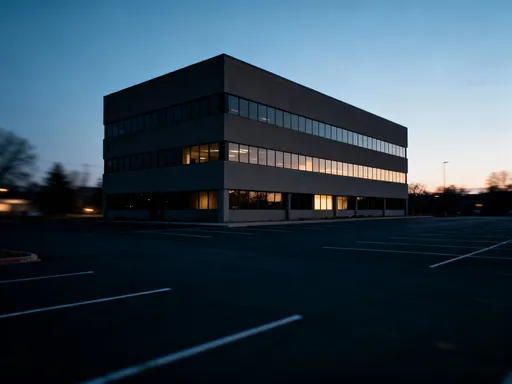
You’d think buying office space is a smart move—steady income, long-term growth, solid asset appreciation. I did too. But what looked like a golden opportunity almost cost me everything. Hidden pitfalls, shifting tenant demands, and frozen capital taught me hard lessons. This isn’t just real estate—it’s a financial chess game. Let me walk you through the risks few talk about and the strategies that kept my investment from sinking. What seemed like a passive income stream turned into a full-time challenge. The assumptions I made about stability, demand, and long-term value were tested—and in some cases, proven wrong. This is not a story of failure, but of awareness, and the financial resilience that comes from understanding the real dynamics behind commercial property.
The Allure of Office Space: Why It Feels Like a Safe Bet
For decades, commercial real estate has been viewed as a cornerstone of wealth-building for individuals seeking alternatives to volatile stock markets. Among the various types of income-generating properties, office space has held a special place in the investor’s imagination. It promises long-term leases, professional tenants, and predictable cash flow—features that make it appear safer than speculative ventures. The image of a well-maintained building in a business district, occupied by stable companies writing rent checks every month, is deeply appealing. Many investors see office properties as the grown-up version of real estate investing, where discipline meets return.
This perception is not entirely unfounded. In strong economic periods, office buildings in prime locations have delivered consistent returns. Tenants such as law firms, accounting practices, and corporate regional offices often sign multi-year leases, creating the illusion of financial predictability. The buildings themselves, especially Class A towers in city centers, are seen as enduring assets—structures that appreciate simply by virtue of location and time. Add in depreciation benefits and potential tax advantages, and it’s easy to understand why so many investors are drawn to this sector.
Yet, the stability many assume is not inherent—it is conditional. The office market is highly sensitive to broader economic trends, technological shifts, and changes in how businesses operate. The past decade has seen a fundamental transformation in work culture, accelerated by global events that normalized remote and hybrid work models. Companies that once required 10,000 square feet of downtown space now operate efficiently with a fraction of that footprint. This shift has disrupted demand, leaving many landlords scrambling to fill vacancies or renegotiate leases at lower rates. The assumption that “office space always rents” is no longer a safe bet.
Moreover, the emotional appeal of owning a professional building can cloud judgment. There’s a certain prestige in being a commercial landlord, which can lead investors to overpay or overlook red flags. A building may look impressive from the outside, but its financial health depends on occupancy rates, lease terms, and operating costs—factors that aren’t always visible at first glance. The allure of office space, therefore, must be balanced with a clear-eyed assessment of market realities. What feels like a safe investment may, in fact, carry significant risk if not approached with caution and insight.
The Hidden Risks No One Talks About
Beneath the surface of polished floors and corporate signage, office real estate harbors risks that are often ignored until they become unavoidable. One of the most significant is tenant concentration—the danger of relying too heavily on a single company or industry. When a major tenant occupies 40% or more of a building, the landlord becomes vulnerable to that company’s financial health and strategic decisions. If the tenant downsizes, relocates, or goes out of business, the impact on rental income can be devastating. Unlike residential properties, where turnover is more gradual and diversified, losing one office tenant can mean losing the majority of monthly cash flow overnight.
Vacancy is another silent threat. While residential vacancies are often filled within weeks, office spaces can sit empty for months or even years, especially in secondary markets. The process of re-leasing is complex and costly, involving brokerage fees, legal costs, and tenant improvements. Landlords frequently have to offer concessions—such as free rent for the first few months or upgraded interiors—to attract new tenants. These incentives reduce effective rental income and delay the return to profitability. In some cases, buildings remain underutilized simply because the space doesn’t match current market needs, such as outdated floor plans or lack of modern amenities.
Operating expenses also tend to rise faster in office buildings than in other property types. HVAC systems, elevators, security, and common area maintenance require ongoing investment. Older buildings may face increasing costs for compliance with energy codes or accessibility standards. Insurance premiums have also climbed in recent years, driven by inflation and a harder commercial insurance market. These expenses are not optional—they come due regardless of occupancy, meaning a partially vacant building can quickly turn from an income producer into a financial drain.
Perhaps the most underappreciated risk is the lack of flexibility in use. Residential units can be subdivided, converted, or repurposed with relative ease. Office space, especially in high-rise buildings, is far less adaptable. Converting it to residential, retail, or mixed-use requires significant capital, zoning approvals, and structural changes. In many cases, the cost of conversion exceeds the value of the alternative use, leaving the owner stuck with an obsolete asset. This inflexibility limits exit strategies and increases exposure during downturns. The truth is, office real estate is not as liquid or resilient as many believe—and the risks are often hidden in plain sight.
Asset Appreciation Isn’t Guaranteed—Here’s Why
One of the most persistent myths in real estate investing is that property values always go up over time. This belief is especially strong in office markets, where investors assume that location and inflation will naturally drive appreciation. But the reality is more nuanced. While some office buildings have increased in value, many others have stagnated or even declined—particularly in cities facing population loss, corporate relocation, or oversupply. A building’s worth is not determined by time alone, but by its ability to generate income and remain competitive in the marketplace.
Appreciation depends on demand, and demand is shaped by relevance. A building constructed in the 1980s with small windows, low ceilings, and inefficient floor plans may struggle to attract modern tenants who prioritize natural light, open layouts, and wellness-focused design. Even in strong markets, older properties can fall behind without significant upgrades. Meanwhile, new construction often sets higher standards, offering smart building technology, superior energy efficiency, and tenant-friendly amenities. These advantages make newer buildings more attractive, pushing older ones to the sidelines.
Location still matters, but not all locations are equal. Urban centers that once thrived on daily commuter traffic now face challenges as remote work reduces footfall. Some downtown districts have seen a drop in supporting services—restaurants, gyms, retail—making them less appealing to employees and, by extension, to employers. When companies evaluate where to locate, they consider not just rent but the overall experience. A building in a declining area may lose tenants even if it’s well-maintained, simply because the surrounding environment no longer supports a vibrant workplace culture.
Capital improvements can help, but they are not a guaranteed path to higher valuations. Renovating a lobby or upgrading elevators may enhance appeal, but they don’t change the fundamental limitations of the space. Investors sometimes pour money into upgrades expecting a direct return in property value, only to find that the market doesn’t reward the investment. True appreciation comes from sustained occupancy, rising rents, and long-term demand—not from cosmetic changes alone. The lesson is clear: passive ownership does not lead to automatic growth. To see real appreciation, owners must actively manage their assets, anticipate market shifts, and align their properties with evolving tenant needs.
How to Evaluate a Smart Office Investment
Not every office property is a risk. Some remain strong, income-generating assets when selected with care and insight. The difference between success and struggle often comes down to due diligence—the thorough analysis of a property’s financials, location, tenants, and long-term potential. A smart investor doesn’t just look at the building; they examine the entire ecosystem in which it operates. This begins with assessing the quality of existing tenants. Are they financially stable? Do they have long-term leases? Are they part of industries with growth potential? A tenant roster dominated by startups or highly leveraged firms may signal future turnover, while a mix of established, creditworthy companies suggests greater stability.
Lease structure is another critical factor. Long-term leases with built-in rent escalations provide income predictability and protection against inflation. Triple-net leases, where tenants cover property taxes, insurance, and maintenance, shift operational risk away from the landlord and improve net returns. In contrast, short-term or month-to-month agreements create uncertainty and increase exposure to market fluctuations. Understanding the remaining lease term and renewal options helps investors anticipate future cash flow and avoid sudden vacancies.
Building class—whether A, B, or C—also plays a role. Class A buildings in central business districts typically command higher rents and attract premium tenants, but they come with higher acquisition and operating costs. Class B and C properties may offer better value, especially if they are in transitional neighborhoods with growth potential. However, they often require more management and upgrades. The key is matching the property type to the investor’s risk tolerance, capital availability, and long-term goals.
Location analysis must go beyond proximity to downtown. Access to public transit, availability of parking, and connectivity to digital infrastructure—such as fiber-optic internet—are now essential. Buildings that support hybrid work, with flexible floor plans and meeting spaces, are more likely to retain tenants. Neighborhood economic health, including job growth, population trends, and new development, also influences demand. A property in an area with declining employment or rising crime will struggle regardless of its condition. A comprehensive evaluation considers all these factors, not just the current rent roll, to determine whether an office investment has lasting value.
Risk Control: Protecting Your Capital in Uncertain Times
Even the most carefully selected office investment can face challenges. Market conditions change, tenants leave, and unexpected expenses arise. That’s why risk control is not optional—it’s essential. The goal is not to eliminate risk, which is impossible, but to manage it wisely. One of the most effective strategies is diversification—not just across asset classes, but within the property itself. Having a mix of tenants from different industries reduces exposure to sector-specific downturns. A building with tenants in healthcare, education, professional services, and technology is more resilient than one reliant on a single industry, such as finance or retail.
Lease structuring is another powerful tool. Including rent escalation clauses—such as fixed annual increases or CPI-based adjustments—helps maintain income growth over time. Security deposits and personal guarantees from tenants add another layer of protection. Equally important is maintaining a cash reserve to cover several months of operating expenses. This buffer allows owners to weather vacancies without panic-selling or taking on high-cost debt. Liquidity is a form of insurance, and in commercial real estate, it can mean the difference between survival and distress.
Regular financial stress-testing is a disciplined practice that separates serious investors from casual ones. This involves modeling worst-case scenarios: What if occupancy drops to 60%? What if interest rates rise? What if a major tenant leaves? Running these simulations helps owners prepare for adversity and avoid emotional decisions. It also informs refinancing strategies and capital planning. Knowing your break-even point and maximum allowable vacancy rate provides clarity during turbulent times.
Finally, having a clear exit strategy is part of risk management. Markets don’t rise forever, and sentiment can shift quickly. Knowing when to sell—before demand cools or supply increases—can preserve gains and avoid losses. This requires staying informed about market trends, transaction volumes, and investor sentiment. It also means being willing to act decisively when conditions change. Risk control is not about fear—it’s about preparation, discipline, and long-term thinking.
Practical Upgrades That Boost Value—Without Breaking the Bank
Improving an office property doesn’t require a full-scale renovation to deliver meaningful returns. In fact, some of the most effective upgrades are relatively low-cost but high-impact. The goal is not to transform the building overnight, but to enhance tenant satisfaction, reduce turnover, and support rent growth. One of the simplest improvements is upgrading lighting to LED systems. This reduces energy costs, improves brightness, and signals a commitment to efficiency. Many utilities offer rebates for such upgrades, further lowering the net cost.
Another smart investment is modernizing entry systems. Touchless access via keycards or mobile apps enhances security and convenience, especially in a post-pandemic world where hygiene and contactless interactions matter. These systems are now affordable and easy to integrate into existing buildings. Similarly, improving Wi-Fi connectivity and ensuring strong cellular reception throughout the building can make a significant difference for tech-dependent tenants.
Shared amenity spaces are increasingly valued. Even a small lounge with comfortable seating, coffee service, and charging stations can elevate the tenant experience. Some landlords convert underused areas into fitness rooms, mother’s rooms, or quiet work zones—features that support work-life balance and attract quality tenants. These additions don’t require massive construction; they require thoughtful use of space.
Energy efficiency is both a cost-saver and a market differentiator. Installing smart thermostats, sealing windows, and upgrading insulation can reduce HVAC costs by 15% or more. Some investors pursue ENERGY STAR certification, which enhances the building’s reputation and can justify higher rents. These upgrades often pay for themselves within a few years through lower operating expenses and longer lease terms. The key is to prioritize improvements that align with tenant needs and market trends, not just personal preferences. Smart, targeted upgrades can significantly boost value without requiring a major capital outlay.
The Bigger Picture: Where Office Real Estate Fits in Your Portfolio
Office space can be a valuable part of a diversified investment strategy, but it should not dominate. Like any asset class, it carries unique risks and requires active management. The most successful investors treat it not as a passive holding, but as a dynamic component of a broader financial plan. They balance office properties with other real estate types—such as industrial, multifamily, or self-storage—as well as with stocks, bonds, and alternative investments. This diversification reduces exposure to any single market shift and enhances overall portfolio resilience.
More importantly, they stay informed. They track macro trends such as urbanization patterns, corporate real estate strategies, and technological advancements that affect workplace design. They understand that the future of office space is not uniform—some cities will thrive, others will adapt, and some may decline. The ability to anticipate these shifts allows investors to position their assets wisely, whether by upgrading, relocating capital, or exiting at the right time.
Ultimately, the goal is not just to own real estate, but to build sustainable wealth. This requires patience, discipline, and a long-term vision. Office investments can contribute to that goal when approached with realism, diligence, and strategic thinking. They are not a guaranteed path to riches, but with the right mindset and tools, they can be a meaningful part of a secure financial future. The key is to see beyond the surface appeal and understand the deeper financial mechanics at play. In the end, it’s not about the building—it’s about the strategy behind it.