After Blocking 90% of Notifications, I Reclaimed 2 Hours Every Day
Remember when your phone used to feel like a lifeline—not a distraction machine? I felt the same, until constant pings derailed my focus, scattered my thoughts, and stole hours without me noticing. It wasn’t just noise—it was stealing my presence. Then I tried blocking time with strict notification controls. What changed wasn’t just my productivity. My focus sharpened, my stress dropped, and I finally had space to think, breathe, and grow. This is how it transformed my daily life.
The Breaking Point: When My Phone Became My Enemy
I used to believe that being reachable at all times made me more responsible—as a mom, a wife, a professional. I wore my responsiveness like a badge of honor. If someone needed me, I wanted to be there. But somewhere along the way, that good intention twisted into something unhealthy. My phone became a puppet master, tugging me in every direction with every buzz, beep, and flash of light. I wasn’t in control anymore. I was reacting—constantly.
The moment everything shifted was quiet, but it hit me like thunder. One night, I sat on my daughter’s bed, book in hand, ready to read her favorite story. She was already in pajamas, eyes wide with excitement. But then my phone lit up—just a quick email from a colleague. ‘I’ll just read this,’ I told myself. ‘Two seconds.’ But two seconds turned into five. Five turned into fifteen. By the time I looked up, she was asleep, her tiny hand still clutching the blanket I’d tucked around her earlier. The guilt crushed me. Not because I’d read an email, but because I’d chosen a screen over a moment that would never come back.
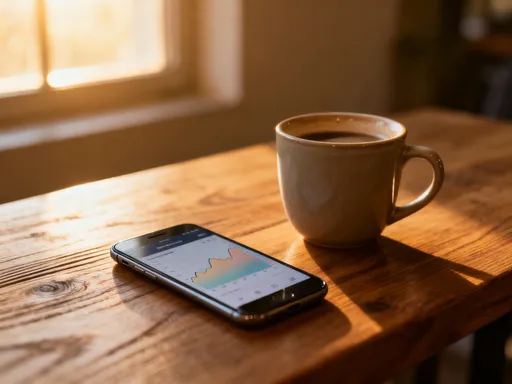
That night, I opened my phone’s digital wellbeing report. I had ignored it for months, afraid of what it might say. But there it was in plain sight: 156 notifications in the last 24 hours. That’s more than six per hour, every waking moment of my day. And how many of those were urgent? Two. One was a school alert about an upcoming field trip. The other was a call from my sister. The rest? Promotions, social media likes, app updates, weather reminders, news alerts—digital clutter masquerading as importance.
I realized then that I wasn’t just losing time. I was losing myself. My attention was being sliced into thinner and thinner pieces, leaving no room for deep thought, creativity, or emotional presence. I felt tired, even when I hadn’t done much. I snapped at my kids more easily. I couldn’t finish a book or even a cup of tea in peace. My phone, designed to make life easier, was making it harder. That was the wake-up call. I didn’t need more willpower. I needed a system. And that’s how I found time blocking—not as a productivity hack, but as a lifeline back to myself.
Discovering Time Blocking: More Than Just a Schedule
At first, I thought time blocking was something only CEOs or productivity gurus did—those people who color-code their calendars and wake up at 5 a.m. to meditate and journal. I pictured rigid schedules, military precision, no room for spontaneity. I told myself, ‘That’s not me. I’m a mom. My days are unpredictable.’ And that was true. But what I didn’t realize was that time blocking isn’t about control. It’s about care. It’s about giving your time and attention the respect they deserve.
I started reading about how artists, writers, and even schoolteachers used time blocking—not to do more, but to protect the space where their best work and deepest connections happened. One author said she wrote her entire novel in 90-minute blocks, five days a week. A therapist shared that he reserved two hours every morning for case notes and reflection, with zero interruptions. What stood out was that they all mentioned the same thing: time blocking only works if you protect it. And the biggest threat? Notifications.
So I began to experiment. I took a blank calendar and divided my day into chunks—not by tasks, but by intention. One block for focused work. One for family time. One for rest. I didn’t over-schedule. I left breathing room. But I made a promise: during each block, I would honor its purpose. No checking email during dinner. No scrolling during my morning coffee. And most importantly, no letting my phone decide when I should switch gears.
What surprised me was how much calmer I felt just by planning this way—even before I made any changes. Just seeing my day laid out, with space for what mattered, reduced my anxiety. But the real shift happened when I started protecting those blocks. I quickly learned that willpower alone wasn’t enough. If my phone kept buzzing, I’d cave. I’d tell myself, ‘Just one peek.’ And then ten minutes would vanish. That’s when I realized: time blocking isn’t just about planning your time. It’s about defending it. And the best defense? Turning off the distractions before they start.
How Notification Settings Quiet the Chaos
I didn’t go cold turkey. I knew that would backfire. Instead, I took a week to audit my notifications. Every time my phone buzzed, I asked: Did I need to know this right now? Was this urgent? Did it improve my life? Most of the time, the answer was no. A store wanted me to know their sale was ending. A friend posted a photo. An app updated in the background. None of these required my immediate attention. But each one pulled me out of whatever I was doing, forcing my brain to reset.
So I went into my settings and turned off notifications for everything except the essentials. No more alerts for social media. No more email pings. No more ‘breaking news’ or weather updates. I kept only phone calls, text messages, and calendar reminders. Even then, I customized it further. During work hours, only my family and my kids’ school could reach me directly. Everyone else went to silent mode, with alerts showing up only on my lock screen—no sound, no vibration.
The difference was almost instant. I stopped flinching every time my phone lit up. I wasn’t on high alert anymore. My mind felt quieter, like the background noise had been turned down. I could stay in a conversation without mentally checking out. I could finish a thought without being yanked away. I realized that notifications aren’t neutral. They’re engineered to grab your attention, to create a tiny hit of curiosity or urgency. They’re not mistakes—they’re features. And by changing my settings, I wasn’t disconnecting. I was choosing when and how to connect.
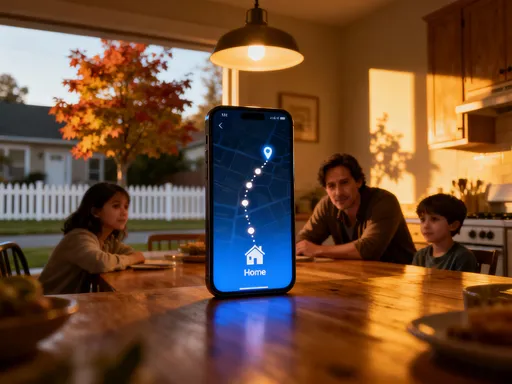
One evening, my husband noticed. ‘You’re not looking at your phone during dinner,’ he said. ‘It’s nice.’ My daughter added, ‘You’re laughing more.’ That hit me harder than any productivity stat ever could. This wasn’t just about getting more done. It was about being more present. By silencing the noise, I was making room for the things that truly mattered—my family, my peace, my joy.
Building My Daily Rhythm: A Real-Life Schedule
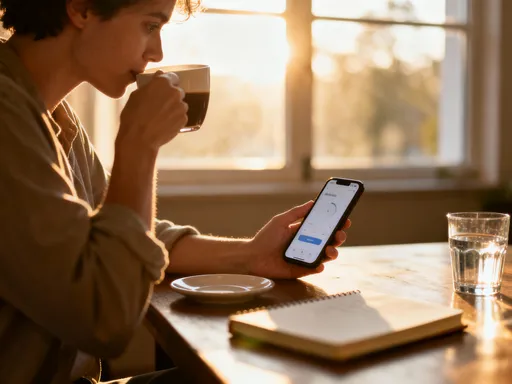
With my notifications under control, I started building a rhythm that worked for me—not for some idealized version of a superwoman, but for the real, tired, loving, sometimes messy mom I actually am. My day now begins at 6:30 a.m., but not with my phone. I leave it in another room overnight. When I wake up, I spend the first 90 minutes in what I call my ‘focus block.’ No screens. Just coffee, a notebook, and quiet. Sometimes I plan my day. Sometimes I write. Sometimes I just sit and breathe. This time is sacred. It sets the tone for everything else.
At 8 a.m., I shift into family mode. Breakfast, school drop-off, a few minutes of play. During this time, I allow myself limited notifications—only calls and messages from my kids’ school or family. But I keep my phone face down. I don’t pick it up unless it rings. After drop-off, I have a learning block—30 to 45 minutes of reading or listening to a podcast on topics that matter to me: parenting, personal growth, health. I use a tablet with Wi-Fi only, no notifications enabled. This isn’t passive scrolling. It’s intentional learning.
From 10 a.m. to noon, I work—whether it’s writing, managing household tasks, or running errands. This is when I allow myself to check messages, but only at set times. I don’t keep email open. I don’t respond immediately. I wait until my noon check-in, when I process everything at once. Then again at 5 p.m. Any urgent issues get handled. The rest can wait. Between blocks, I take real breaks—walking the dog, calling a friend, sitting in the garden. No screens. Just life.
The change in my energy was remarkable. I wasn’t running on adrenaline anymore. I wasn’t trying to do everything at once. I was doing one thing at a time—and doing it well. My kids noticed. My husband noticed. I was more patient. More present. More like myself. And the best part? I gained back, on average, two hours a day. Not because I cut out fun or rest, but because I stopped wasting time on digital distractions that never mattered in the first place.
The Ripple Effect: Calmer Mind, Stronger Relationships
Within three weeks, my stress levels dropped so much that I didn’t even realize it at first. I just noticed I wasn’t clenching my jaw. I wasn’t waking up with that tight feeling in my chest. I wasn’t snapping at my kids over small things. I had space—mental space—to breathe, to respond instead of react.
My relationships changed too. During conversations, I actually listened. I didn’t half-watch my phone while nodding along. I made eye contact. I remembered details. My sister said, ‘You seem different. Lighter.’ My daughter started asking, ‘Can we talk before bed now?’ She wanted to share her day, her dreams, her worries. And I was there—fully—to hear it.
Even my relationship with myself improved. I started journaling again, something I hadn’t done since college. I wrote about my thoughts, my fears, my hopes. I didn’t do it every day, but I did it regularly. And it helped me understand myself better. I wasn’t just reacting to life anymore. I was reflecting on it.
I also found myself more creative. Ideas came easier. I started a small blog about mindful living, not to go viral, but to process my journey. I even began painting again—something I hadn’t done in over a decade. All of this happened not because I suddenly had more time, but because I had more attention. And attention, I realized, is the real currency of a meaningful life. When you give it freely to what matters, everything else falls into place.
Tools That Help—Without Taking Over
I didn’t need fancy apps or expensive software. The tools I use are already on my phone—free, simple, and effective. On my iPhone, I rely on Focus Modes. I set up three: ‘Deep Work,’ ‘Family Time,’ and ‘Unwind.’ Each one silences the right notifications at the right time. During Deep Work, only calls from my family come through. During Family Time, social media and email are blocked. During Unwind, I limit everything except music and sleep apps.
I also use the built-in Screen Time feature to track my usage—not to shame myself, but to stay aware. I set daily limits for certain apps, like social media, and I get a gentle reminder when I’m close to my limit. It’s not about punishment. It’s about mindfulness. On Android, the Digital Wellbeing tools offer the same features—Focus Mode, Dashboard, Wind Down. You don’t need to be a tech expert to use them. You just need to care about your time.
One of the most powerful tools? Scheduling Do Not Disturb. I have it set from 8 p.m. to 7 a.m., with exceptions only for family. No blue light, no pings, no temptation. I also use it during my focus blocks and meals. It’s like putting a ‘do not disturb’ sign on my attention. And the beauty is, it’s automatic. I don’t have to decide every day. I set it once, and it works for me.
The key is to use technology to support your values, not override them. These tools don’t control me. I control them. And that shift—from being managed by my phone to managing it—is what made all the difference.
A Sustainable Practice, Not a Quick Fix
I’ll be honest—some days, I slip. There are mornings when I grab my phone the second I wake up. Days when I let notifications pile up. Moments when I scroll mindlessly because I’m tired or stressed. But the difference now is that I notice it faster. I don’t beat myself up. I just reset. I turn off the noise, go back to my blocks, and begin again.
This isn’t about perfection. It’s about awareness. It’s about creating a life where technology serves you, not the other way around. I didn’t do this to become more productive. I did it to become more present. To feel calmer. To be a better mom, wife, and friend. To reclaim the hours that were being stolen without my consent.
And the truth is, once you taste that freedom—the peace of an uninterrupted morning, the joy of a device-free dinner, the clarity of a focused mind—you don’t want to go back. You realize that your attention is not just valuable. It’s sacred. And how you spend it shapes who you become.
So if you’re feeling overwhelmed, if your phone feels like a weight, if you’re missing moments with your kids or your own thoughts—try this. Start small. Turn off one notification today. Then another tomorrow. Build one focus block into your week. See how it feels. You might just find, like I did, that the most powerful tech upgrade isn’t a new phone. It’s learning to use the one you already have—with intention, with care, and with love.