Tired of Weekend Errands Ruining Your Relaxation? This App Brought Peace to My Neighborhood
Ever felt like your weekends vanish into grocery runs, forgotten tools, and last-minute favors? I did—until a simple app transformed how my neighbors and I share help. No more frantic texts or wasted trips. Just real people, real support, right when we need it. This isn’t about high-tech fixes—it’s about reclaiming time, building trust, and making weekends feel like yours again. Let me show you how it quietly changed my life.
The Weekend That Broke Me (And Why Nothing Felt Like “Me Time”)
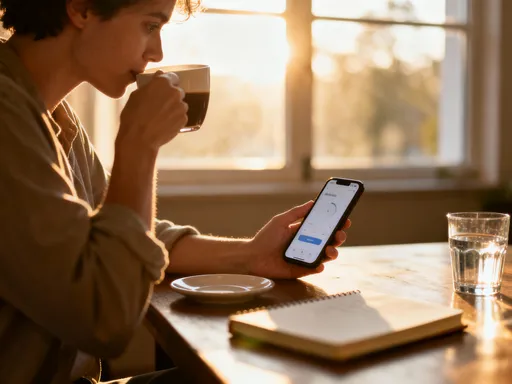
It started like any other Saturday—sunlight streaming through the kitchen window, my favorite mug in hand, and the quiet promise of a slow morning. I was ready to finally finish that novel on my nightstand and maybe take a long walk with the dog. But by 9:15 a.m., the calm unraveled. My daughter needed glitter for a school project due Monday. Glitter. Of course we didn’t have it. Then the vacuum died mid-clean—something about a clogged hose and a sad whirring sound. And while I was at the hardware store buying a replacement belt, I realized we were out of sugar for the cupcakes I’d promised to bring to the afternoon bake sale. Three separate trips. Five hours lost. And zero progress on my book.
That day wasn’t unusual. It was the pattern. Week after week, my so-called free time evaporated into a series of tiny, unavoidable tasks. Each one small on its own—borrow a cup of flour, return a library book, find someone to feed the cat for three days. But together? They piled up like laundry no one ever finishes folding. I started dreading weekends almost more than workdays. I’d lie in bed Sunday night, exhausted, wondering why I hadn’t done anything that felt meaningful. No rest. No joy. Just survival mode. And the worst part? The guilt. I felt guilty saying no when friends asked for help. Guilty when I snapped at my kids because I was overwhelmed. Guilty for wanting more when I knew others had it harder. I didn’t need a life overhaul—I needed a ladder, a charger, and ten uninterrupted minutes to breathe. But I didn’t know how to ask without feeling like a burden.
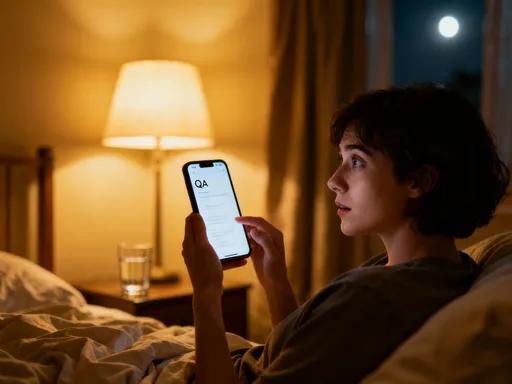
Then, one evening, I saw a notification from an app I’d downloaded months ago and forgotten—NeighborLink. A woman two blocks over had posted that she was baking banana bread and had extra loaves to share. “First come, first served—knock anytime between 4 and 6.” I almost ignored it. I’d written off these kinds of apps as either too quiet to be useful or too chaotic, full of strangers asking for money or selling MLM products. But something about her tone—warm, no pressure—made me pause. I clicked through. There were a few more posts: someone offering dog walking, another asking if anyone had a pressure washer. Simple. Clear. Human. I didn’t respond that night, but I didn’t delete the app either. And for the first time in a long time, I wondered: what if help didn’t have to be so hard to find?
Discovering the App: Not Another Gimmick, Just Real Help Nearby
I’ll admit it—I wasn’t an early adopter. I’d seen the ads for neighborhood apps before: “Connect with neighbors!” “Build community!” But most felt like glorified social media with better maps. Or worse, they turned into complaint boards or sales pages for handmade soaps no one needed. So when my sister first sent me the link to NeighborLink last year, I saved it and moved on. I didn’t have time to scroll through another feed.
But after that glitter-and-vacuum disaster, I gave it another look. And what I found surprised me. No flashy banners. No sponsored posts. No influencers. Just a clean, simple interface where people posted what they needed or what they could offer. No money changed hands. No reviews, no ratings, no public comments. Just private messages between neighbors who lived within a mile radius. You had to verify your address to join, which made it feel safer. And the rules were clear: be kind, be clear, be respectful of time. No demands. No drama.
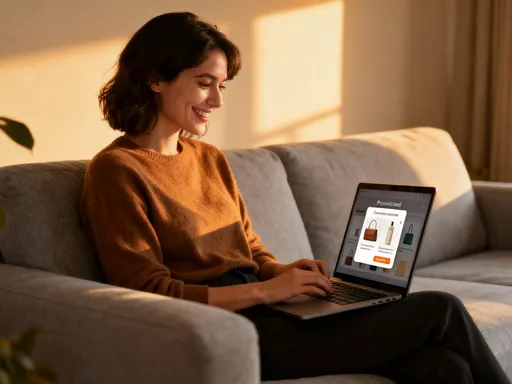
I took a tour of the features. Posting a need was as easy as typing a few lines: “Looking for a ladder this weekend to clean gutters,” or “Does anyone have extra pumpkin seeds? Starting a small garden.” Offering help was just as simple: “I have extra zucchini from my garden—free to anyone who wants it,” or “Happy to water plants while you’re away.” There were private group chats for street-specific updates, like road closures or lost pets. And a calendar for community events—block parties, clean-up days, holiday light tours. But the heart of it? The “Ask & Offer” board. That’s where real life happened.
What made it different from every other app I’d tried was how quietly it worked. It didn’t buzz with notifications every five minutes. It didn’t try to keep me scrolling. I could check in once a day, post what I needed, and go on with my life. And because it was hyper-local—only people within our neighborhood cluster—I didn’t feel like I was shouting into the void. These were people I might pass on the sidewalk, wave to from our porches, or see at the school pickup line. Real faces. Real names. Real lives. It wasn’t about transactions. It was about trust. And slowly, I started to believe that maybe, just maybe, I could be part of that.
My First “Ask”: Borrowing a Ladder (And Gaining a Neighbor)
I stared at the screen for ten minutes before I hit “Post.” My hand hovered over the keyboard. What if no one responded? What if someone judged me for not owning a ladder? What if I looked helpless? I took a breath and typed: “Need to clean gutters this weekend—anyone have a ladder I could borrow for a few hours? Happy to return it the same day.” I added a friendly emoji, double-checked the spelling, and clicked send. Then I closed the app fast, like I’d thrown a note into the ocean in a bottle.
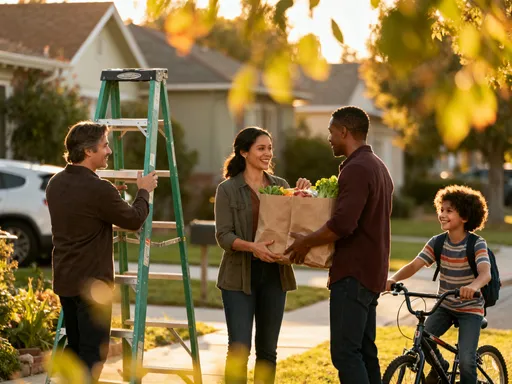
Twenty-three minutes later, my phone buzzed. A message from someone named David Lin. “Hi, I live on Oak Street—two blocks over. I have a 24-foot extension ladder. I can bring it by Saturday morning if that works?” I blinked. Someone answered. And not just anyone—a neighbor I’d seen walking his dog, always with a wave and a smile. I replied quickly, thanking him, and we settled on 9 a.m.
Saturday came. David arrived right on time, ladder strapped to the roof of his sedan. He didn’t just drop it off. He helped me carry it to the side of the house, showed me how to secure the feet on uneven ground, and even checked the locks on the rungs. “Safety first,” he said, adjusting his glasses. “I learned the hard way after a wobble last year.” We chatted while I set up—about the stubborn ivy growing on my roof, his daughter’s upcoming piano recital, the new coffee shop opening downtown. It felt easy. Natural. Like we’d known each other for years.
When I returned the ladder that afternoon, I brought a jar of homemade peach jam. “Just a small thank you,” I said. He smiled. “You didn’t have to do that.” But I wanted to. That small exchange—asking, receiving, returning, thanking—changed something in me. It wasn’t just about the ladder. It was about being seen. About knowing someone nearby cared enough to help without hesitation. And in that moment, I realized how starved I’d been for real connection. Not likes. Not comments. Just human kindness, close enough to touch.
From Taker to Giver: How Helping Others Gave Me Back More
After David’s help, I felt a shift. I’d always thought of myself as independent—someone who didn’t need to ask for things. But that weekend taught me something: needing help isn’t weakness. It’s part of being human. And when I started seeing that, I wanted to pay it forward. Not in some grand, performative way. Just small, quiet things that made life a little easier for someone else.
The first thing I offered was a pot of chicken soup I’d made too much of. I posted: “Extra homemade soup—free to anyone who wants it. Picked up by 6 p.m. today.” Within an hour, a young woman named Maya picked it up. She was recovering from surgery and hadn’t been cooking. She sent a sweet note later: “That soup was a hug in a bowl. Thank you.” I smiled. I hadn’t thought of it that way, but she was right. It was a hug. A small one, but real.
Then I started noticing what I had in excess. Extra concert tickets when my friend canceled. A bag of gently used baby clothes when my youngest outgrew them. A few hours free on a Tuesday afternoon. I offered babysitting for a single mom in my building who worked late. She cried when I said yes. “I’ve been holding in panic all week,” she said. “I didn’t know who to ask.” That hit me hard. How many of us are silently struggling, too proud or too unsure to reach out?
But here’s the beautiful part: giving didn’t drain me. It filled me. I started to notice a rhythm—when I gave, I felt lighter. More connected. More like myself. And the returns weren’t transactional. No one kept score. But kindness had a way of circling back. A few weeks after I helped Maya, she brought me a cutting from her lavender plant. “It blooms every summer,” she said. “Thought you’d enjoy it.” Another neighbor, after I returned a borrowed cake pan, surprised me with a slice of lemon cake “just because.” These weren’t grand gestures. But they mattered. They reminded me that community isn’t built in big moments. It’s built in small ones—soup, seeds, smiles. And slowly, I stopped seeing myself as a taker. I was part of a circle. And that circle was growing.
Raising Kids in a Connected Community: Safety, Support, and Shared Values
As a mom, one of my deepest hopes is that my children grow up feeling safe, seen, and supported. I want them to know their neighbors by name. To feel like they belong. And honestly? I didn’t think that was possible in today’s world. So many families live behind closed doors, rushing from school to activities to dinner, rarely pausing to connect. But NeighborLink changed that for us.
It started with practical things. My son outgrew his rain boots. Instead of donating them anonymously, I posted: “Size 10 rain boots—great condition—free to anyone who needs them.” A mom replied within minutes. Her son had just lost his pair. She picked them up that evening. “He was so excited,” she told me later. “He said they’re his superhero boots now.” I loved that. His superhero boots. Made from someone else’s extras.
Then came the day I needed last-minute childcare. My sister was sick, and I had a work call I couldn’t miss. I hesitated before posting—childcare felt too personal, too risky. But I took a breath and typed: “Need someone to watch my 7-year-old for two hours this afternoon? I’ll be home by 4. Trustworthy neighbor preferred.” Within ten minutes, Mrs. Thompson from down the street messaged me. “I’m retired. I’d love to have him over for cookies and board games.” I knew her—she waved every morning, always had flowers in her yard. I felt safe saying yes.
But the moment that truly sealed it for me was when my daughter’s bike was stolen. She was heartbroken. It was her first real bike, a hand-me-down from her cousin, painted bright blue with stickers all over the frame. I posted a simple “Lost: blue kid’s bike” with a photo. No reward. Just a plea. Two hours later, a teenager named Eli messaged me. He’d seen it behind a dumpster at the park. He’d moved it to the bike rack near the library “so it wouldn’t get damaged.” He didn’t ask for anything. No cash. No thanks. Just did it because it was right.
When I told my daughter, she looked at me and said, “People are good, aren’t they?” I held her tight. That was the lesson I wanted her to learn—not just how to ride a bike, but how to trust. How to believe that most people want to help. That kindness exists, even in small things. And that’s the legacy I want for her: a world where asking isn’t shameful, and helping is natural.
Quiet Tech, Loud Impact: Why Simplicity Wins in a Noisy Digital World
We’re surrounded by apps that demand our attention. Notifications that ping like alarms. Feeds that scroll forever. Games that reward us with points for logging in. But NeighborLink? It’s the opposite. It doesn’t beg for my time. It respects it. I can check in once a day, post what I need, and close it. No pressure. No guilt. No endless scrolling.
That simplicity is its superpower. There are no badges for “Most Helpful Neighbor.” No algorithm deciding who sees your post based on engagement. No ads. No data mining. Just a clean, calm space where real needs meet real people. It doesn’t try to be everything. It just tries to be useful. And in a world that’s always shouting, its quietness is refreshing.
I’ve started to think of it like a good friend. The kind who doesn’t call every day, but shows up when you’re in crisis. Who doesn’t need constant attention but is always there when you need them. That’s what this app feels like—a digital neighbor who stays in the background until you need them, then steps forward with kindness.
And because it’s not driven by profit or growth, it doesn’t feel rushed or transactional. There’s no rush to monetize, no push to expand to every city. It grows slowly, organically, because people like it and tell their friends. It’s tech that serves people, not the other way around. And in a time when so many apps feel designed to keep us hooked, that’s revolutionary. It’s not smart because it’s flashy. It’s smart because it’s humble. Because it knows its place. And because it works.
Building a Life That Feels Lighter: Less Hustle, More Belonging
Weekends look different now. I still run errands, of course. Life doesn’t disappear. But the weight of it? It’s lighter. I don’t dread Saturday mornings anymore. I check the app, see what’s available, and plan around it. Need eggs? Someone’s giving away fresh ones from their chickens. Need a drill? Posted at 8 a.m., borrowed by 9:30. No store trip. No parking hassle. Just help, close by.
But the real change isn’t in my schedule. It’s in my spirit. I feel less alone. Less like I have to do everything myself. I’ve learned that interdependence isn’t failure—it’s freedom. It’s okay to ask. It’s okay to need. And it’s beautiful to give. The app didn’t just save me time. It gave me back connection. It reminded me that community isn’t something you find. It’s something you build—one small ask, one quiet offer, one shared moment at a time.
Smart living isn’t about having the latest gadgets or the fastest delivery. It’s about living with more heart. More ease. More humanity. It’s about tools that don’t complicate life but simplify it. That don’t isolate us but bring us closer. This app didn’t change my world with a bang. It changed it with a whisper. A simple message. A borrowed ladder. A pot of soup. And in those small things, I found something big: belonging. So if you’re tired of doing it all alone, I’ll leave you with this—try it. Post one ask. Make one offer. See what happens. Because sometimes, the most powerful tech isn’t the one that dazzles. It’s the one that helps you feel at home.