After Tracking 300 Conversations: This Note Tool Finally Helped Me Grow My Circle Naturally
We’ve all been there—scrolling through contacts we never call, feeling disconnected despite being “connected” online. I used to forget names, miss follow-ups, and lose meaningful moments in the chaos of daily life. But everything shifted when I started organizing my notes differently. It wasn’t about productivity hacks—it was about remembering people, nurturing relationships, and showing up as a better friend. Let me tell you how a simple change in how I captured moments helped me build deeper connections—without pressure or performance.
The Loneliness Trap in a Hyper-Connected World
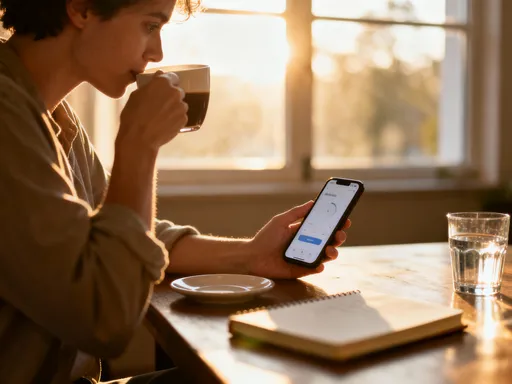
It sounds strange, doesn’t it? We’re more connected than ever—texting, calling, liking, commenting—yet so many of us feel quietly lonely. I remember sitting at my kitchen table one Sunday morning, sipping tea, scrolling through my phone, and realizing something unsettling: I had over 800 contacts, but I couldn’t name ten people I’d genuinely talked to in the past month. Not just a quick “Happy Birthday!” text, but a real conversation—about life, dreams, worries, or even just what they’d been cooking lately.
I’d meet someone at a school event, a book club, or a friend’s gathering. We’d chat, laugh, exchange numbers, and say, “We should meet up!” But then… nothing. Weeks passed. I’d see their name pop up in my messages and freeze. What had we talked about again? Did they mention a new job? A sick parent? A vacation plan? I had no idea. My mind was full of to-do lists, grocery reminders, and work deadlines—but almost nothing about the people I’d actually met.
Social media didn’t help. It gave me glimpses—photos of vacations, cute pet videos, political rants—but not the real stuff. Not the quiet worries, the small joys, the things that make a person feel known. I’d see someone’s post about their dog’s surgery and think, “I didn’t even know they had a dog!” How could I care in the moment if I didn’t remember the basics?
I started to feel like a ghost in my own life—present, but not really showing up. I wasn’t a bad friend on purpose. I cared deeply. But without a way to hold onto the details, I kept dropping threads. And each time I did, a little bit of connection faded. I wasn’t just losing touch with people—I was losing touch with myself, with the kind of woman I wanted to be: someone warm, present, and thoughtful.
How Disorganized Notes Sabotage Relationships
At first, I blamed myself. Maybe I was just bad at remembering people. Maybe I wasn’t social enough. But the truth was, I was trying to do it all in my head—and no one’s brain is built for that. Our minds are amazing, but they’re not filing cabinets. They’re designed to feel, imagine, and respond—not to store hundreds of names, birthdays, pet names, and personal updates.
I tried to fix it with random notes. A voice memo here. A screenshot of a text there. A sticky note on the fridge: “Ask Sarah about her daughter’s play.” But these bits were scattered—buried in apps, lost in folders, or forgotten on scraps of paper. When I finally got the courage to reach out, I’d waste ten minutes searching. Was that note in my email? My photos? My Notes app? My brain felt like a messy drawer where everything was thrown in and nothing could be found.
And here’s what I didn’t expect: the emotional cost. Every time I forgot something important, I felt worse. I’d text a friend: “Hey, how’s it going?” and they’d reply, “Well, my mom just had surgery—remember I told you?” And I’d freeze. I didn’t remember. I’d apologize, but the damage was done. That tiny moment of being forgotten? It stung. For them. And for me.
It wasn’t just guilt. It was isolation. I started avoiding reaching out because I was afraid of the awkward silence, the “Wait, didn’t you know?” moments. I’d see a name and think, “I should message them,” but then I’d hesitate. What if I mess up? What if I sound fake? What if they think I don’t care?” The disorganization wasn’t just inconvenient—it was killing my confidence.
And the irony? I was using tech to stay connected, but my own system was making me more disconnected. I had the tools, but not the method. I had the heart, but not the support. I needed something simple, something kind, something that didn’t feel like work—but that actually worked.
The Turning Point: Treating People Like Projects (But with Heart)
The shift started at work. I was using a project management tool to track deadlines, team updates, and client meetings. It was structured, clear, and made my job easier. And one day, it hit me: Why am I giving more care to my work projects than to the people in my life?
Not that I wanted to turn friendships into spreadsheets. That would feel cold, robotic. But what if I borrowed the idea—not to track people, but to honor them? What if I used a light, loving system to remember what mattered to them? Not because I had to, but because I wanted to?
So I started small. After a coffee date with a friend, I opened a note and wrote: “Claire – loves birdwatching, son starts college in September, hates cilantro (lol), looking for a new therapist.” It felt odd at first—like I was spying or overdoing it. But then I remembered our next conversation. I asked, “How’s your son settling in?” and her face lit up. “You remembered!” she said. “Most people don’t even ask.”
That moment changed everything. It wasn’t about impressing her. It was about showing up. I realized that remembering someone’s details isn’t about being perfect—it’s about saying, “You matter to me.” It’s a quiet act of love.
I started doing it after every meaningful interaction. A chat at the park. A phone call with an old friend. A new neighbor bringing over cookies. I’d jot down a few things—not everything, just what stood out. Her daughter’s name. His favorite book. Their anniversary date. I didn’t do it for points or rewards. I did it because it felt good. And slowly, my confidence grew. I wasn’t afraid to reach out anymore. I had something real to say.
Choosing the Right Tool: Simplicity Over Features
I’ll be honest—I tried a lot of apps before I found the one that stuck. Some were too rigid, like digital Rolodexes with endless fields: “Job Title,” “Spouse Name,” “Favorite Color.” Who remembers all that? And who wants to fill it out like a job application?
Others were too flashy—full of animations, widgets, and “smart” features that didn’t actually help. One app promised to “auto-remember” birthdays from texts, but it got everything wrong. It thought my sister’s dog was my husband.
What I needed was simple: a place to write a few lines, add a photo, maybe a voice note, and find it fast later. No stress. No clutter. Just ease.
The app I finally chose wasn’t the most popular or the fanciest. But it had three things that mattered: it was fast, flexible, and kind to use. I could open it in two seconds, type “Marta – loves sourdough, daughter has asthma, mentioned a work conflict last week,” and tag it with her name. I could attach a photo from our picnic. I could set a quiet reminder: “Follow up in two weeks.”
And here’s the rule I learned: if logging a memory takes more than 30 seconds, it won’t happen. Life is busy. We’re tired. We need tools that fit into real life, not the other way around.
This app became my memory partner. Not a replacement for real connection—but a helper. It didn’t make me more caring. I already was. It just made it easier to show it. And that made all the difference.
How Organized Notes Sparked Real Conversations
Once I had a system, my messages changed. No more generic “Hey, how are you?” texts that often got a one-word reply. Now I could say: “Hi Jen! How did your art show go?” or “Hey Mark, did you ever fix that leaky faucet?” or “Maria, how’s your dad feeling after the procedure?”
The responses were different. Faster. Warmer. Longer. People didn’t just reply—they engaged. They felt seen. One friend wrote back, “I can’t believe you remembered that. It means so much.” Another said, “You’re the only one who asked about that. Thank you.”
And it wasn’t just about big things. Sometimes it was tiny details: “You mentioned you wanted to try that new yoga class—how was it?” or “Last time we talked, you said your cat was acting weird—any updates?” Those small moments built trust. They said, “I was listening. I care.”
Even my group chats changed. Instead of just sharing memes, I started checking in: “Hey ladies, remember we talked about meal prepping? I found a great recipe—want me to send it?” Or, “I saw a parenting workshop—thought of you, Lisa, since you mentioned wanting to learn more.”
My network didn’t just grow—it deepened. People started sharing more with me, too. They knew I remembered. They knew I listened. And that made them feel safe, valued, and connected.
From One-on-One to Community: Expanding My Circle with Confidence
Here’s something I never expected: once I got better at remembering individuals, I started seeing connections between them. I’d look at my notes and think, “Oh—Sarah’s looking for a therapist, and Maya works in mental health.” Or, “Tom loves hiking, and Ana just joined a trail group.”
So I started introducing people. Not in a pushy way, but gently: “Hey, I know someone who might be able to help,” or “You two would really hit it off.”
At first, I was nervous. What if it was awkward? What if they didn’t like each other? But most of the time, it worked. One introduction led to a job opportunity. Another turned into a friendship. A third became a support group for moms going through similar challenges.
I wasn’t just building my own circle—I was helping build a community. And it felt amazing. I wasn’t the center of attention. I was the quiet connector, the one who noticed the overlaps and made space for care to grow.
My notes made this possible. Without them, I’d never have remembered who knew whom, who needed what, or who shared the same passion for gardening or sourdough or silent retreats. The details were too small to hold in my head—but too important to lose.
Now, when I meet someone new, I don’t just think, “Are we compatible?” I think, “Who in my life would love to know you?” And that’s a beautiful shift—from collecting contacts to cultivating connection.
More Than Notes: A Mindset Shift Toward Intentional Connection
This journey wasn’t really about technology. It was about intention. The app didn’t make me a better friend. I did. But it gave me a way to act on what I already felt—care, curiosity, love.
I used to think building relationships was about charisma or time or energy. But I’ve learned it’s more about attention. And attention is a choice. Every time I open my note app after a conversation, I’m choosing to pay attention. I’m saying, “You mattered enough for me to remember.”
That small act has changed my life. I’m more confident in reaching out. I’m more present in conversations. I’m more at peace with myself, knowing I’m trying my best to show up.
And here’s the best part: it’s not hard. You don’t need a fancy system. You don’t need to remember everything. Just start with one detail. One name. One thing that made you smile.
Open a simple note. Write it down. And the next time you message that person, use it. Watch their face light up. Feel your own heart warm.
Because connection isn’t about perfection. It’s about showing up—with care, with memory, with love. And sometimes, all it takes is a little help to remember how.